
Catering and HACCP: Ensuring Safe and High-Quality Food Service
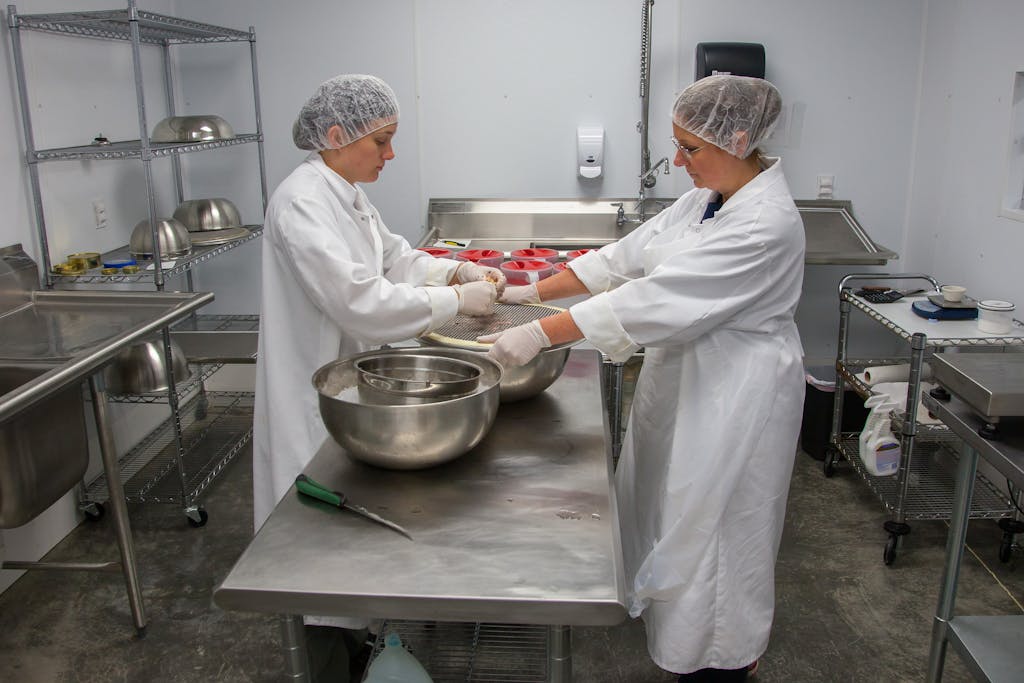
In the world of professional food service, catering and HACCP go hand in hand. Clients today expect not only delicious meals but also strict standards of hygiene and safety. For a catering division, following HACCP principles is essential to guarantee food that is both high in quality and safe to consume.
But what exactly is HACCP, and how does it shape catering operations? Let’s explore how our catering division integrates HACCP into every step of the process.
What Is HACCP and Why It Matters in Catering?
HACCP (Hazard Analysis and Critical Control Points) is an internationally recognised system for managing food safety. Instead of reacting to problems after they occur, HACCP is proactive – identifying potential hazards in advance and putting controls in place to prevent them.
In catering, this is crucial because food passes through many stages: purchasing, storage, preparation, cooking, service, and sometimes transport. At each stage, risks like contamination, spoilage, or temperature abuse can arise. By applying HACCP, we protect clients, staff, and our reputation.
Our Catering Division’s Commitment to HACCP
Our catering and HACCP approach is built around responsibility, consistency, and care. Every staff member, from chefs to servers, understands that food safety is everyone’s duty. We implement HACCP across six key areas:
1. Supplier Approval and Food Sourcing
Food safety begins long before ingredients reach the kitchen. We carefully approve suppliers based on quality certifications, storage standards, and reliability. Only trusted partners who meet HACCP requirements provide us with raw materials.
This ensures that every meal starts with safe, fresh, and traceable ingredients.
2. Proper Storage and Temperature Control
Safe catering operations rely on proper storage conditions. Our team follows HACCP guidelines by:
- Maintaining chilled storage below 5°C and frozen storage at –18°C or lower.
- Labelling and rotating stock using FIFO (First In, First Out).
- Separating raw and cooked foods to prevent cross-contamination.
By controlling temperatures and organisation, we eliminate risks before food reaches the cooking stage.
3. Kitchen Hygiene and Cross-Contamination Prevention
In catering, kitchens are high-activity areas. That’s why HACCP places a strong focus on hygiene. Our practices include:
- Strict handwashing routines for all staff.
- Colour-coded chopping boards and utensils for different food groups.
- Regular cleaning and sanitising of work surfaces and equipment.
These measures ensure a safe environment where contamination risks are reduced.
4. Cooking and Holding Standards
Cooking is a critical control point in HACCP. Our catering division follows strict guidelines:
- Cooking poultry to at least 75°C.
- Reheating foods quickly and above 75°C.
- Holding hot food above 63°C until service.
These practices destroy harmful bacteria and maintain food quality.
5. Staff Training and Awareness
Even the best system fails without trained people. That’s why catering and HACCP go together through regular training. Staff are trained on:
- Safe food handling.
- Allergen awareness.
- Emergency procedures in case of contamination or power failures.
Every team member is encouraged to treat food safety as a shared responsibility.
6. Documentation and Continuous Monitoring
HACCP is not only about actions but also about records. Our catering division documents:
- Temperature logs for fridges, freezers, and cooked food.
- Cleaning schedules and checklists.
- Delivery records and supplier certifications.
This documentation proves compliance to clients and inspectors, while also helping us improve systems continually.
Benefits of Catering with HACCP
By following HACCP, our catering division delivers:
- Safe food: Reduced risk of contamination or foodborne illness.
- Client confidence: Reassurance that meals are prepared under strict safety standards.
- Regulatory compliance: Meeting local and international health regulations.
- Efficiency: Well-documented systems prevent waste and errors.
In short, HACCP ensures we meet the highest levels of professionalism in catering.
Final Thoughts
Catering is about more than delicious food – it’s about responsibility. By combining catering and HACCP, we provide clients with meals that are safe, nutritious, and satisfying.
Whether serving hundreds of staff at industrial sites or curating menus for private events, our commitment to HACCP is unwavering. Safe food is not optional – it is the foundation of trust.
To learn more about HACCP standards, visit the Food Standards Agency guidance on HACCP.